
How to Build a "Speak Up" Culture to Improve Workplace Safety
Article Summary
In manufacturing facilities, employees are usually the people most familiar with day to day operations. Therefore, they’re more likely to notice when safety procedures are being ignored or misused. If employees fear retaliation for reporting them, the issues will persist until an accident or an inspection.
- Employers must create an easy, transparent way for workers to report safety issues.
- All employees need to feel empowered to report safety concerns and near misses.
- When the entire organization focuses on safety, preventable accidents become rare
How to Build a "Speak Up" Culture to Improve Workplace Safety
Building a culture where employees feel comfortable reporting safety issues is vital to modern safety management. When workers speak up, they protect their peers, reduce injury rates and shield the company from severe regulatory and financial risks.
The new reality of safety enforcement
OSHA inspections are moving away from the random-check model and are being driven more and more by individual incidents and complaints. And many of these complaints come from employees who either have been or feel like they will be ignored if they speak up to leadership.
The financial stakes are high. A single serious violation can result in a fine of up to $16,550, and willful or repeated violations cost 10 times that amount. These figures don't account for the legal ramifications associated when injuries or death occur from an unsafe work environment.
Ultimately, a “Speak Up” culture ensures that workers notify internal maintenance and leadership of safety concerns before feeling the need to call external regulators. And while everyone can agree that safety is the top priority of any workplace, creating this type of culture has challenges.
Break down barriers to communication
To encourage reporting, management must address the psychological and logistical barriers that keep employees silent.
- Address fears of retaliation: Employees must be certain that reporting a broken ladder or damaged harness will not lead to disciplinary action, even if removing that equipment results in temporary lost productivity.
- Align safety incentives: Rather than penalizing downtime, recognize and reward employees who proactively identify potential safety concerns and "near-misses."
- Eliminate language barriers: Safety literacy requires clear communication. It's essential to have safety materials, inspection software and competent people that can communicate effectively in the primary language of the workforce.
- Build trust through visibility: Visible tagging systems, such as prominent red "Do Not Use" tags, serve as immediate evidence that management is listening and acting on reports.
- Active follow-up: Trust is sustained by following up with all employees on how every report is addressed. Detailing the concrete steps taken to eliminate a risk — and outlining interim mitigation efforts — shows that reporting leads to tangible change.
Empower the Workforce
Safety is not solely the responsibility of the safety team; it requires broad engagement across the workstaff.
- Training beyond the safety team: Involving non-safety staff, such as office workers, in annual inspection tours increases safety literacy company-wide and creates more eyes on the floor.
- Eliminate safety experience gaps: Ensure that new workers are as informed as long-term employees about equipment and procedures. Relying on institutional knowledge introduces risk when tenured employees leave or are absent from the work place.
- The "user check" responsibility: Every worker should be trained to perform frequent Cycle 1 checks, such as inspecting harness webbing, D-rings and ladder rungs before every use, rather than relying solely on a monthly formal audit.
- Standardizing inspection logic: Providing workers with simple red/green logic allows them to identify failures confidently without second-guessing. A cornerstone of this logic is emphasizing that if there is any doubt about the safety of a piece of equipment, it should be denoted in red and pulled for review.

Leverage technology to facilitate reporting
Modern technology can bridge the gap between spotting a hazard and fixing it.
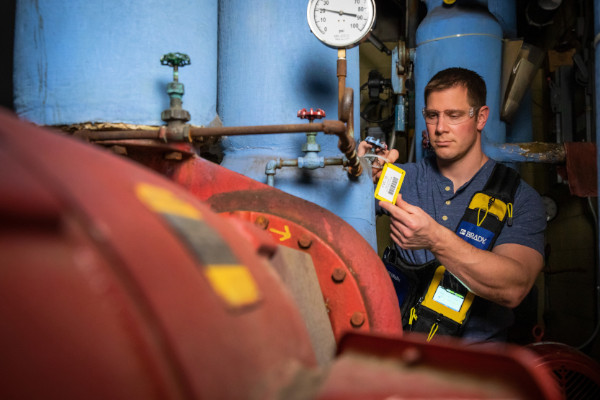
- Digital trails and frequent audits: Digital logs linked via QR codes give employees confidence that their report is officially in the system and cannot be ignored.
- Photo evidence for accountability: Encouraging workers to use tablets or phones to document near-misses or equipment damage provides maintenance teams with clear data and speeds up the repair process.
Turn near-misses into proactive wins
A near-miss is a free lesson in hazard prevention.
- Valuing near-miss data: Collecting data on incidents where no one was hurt and no property was damaged allows safety managers to identify patterns and adjust the frequency of inspections for specific high-risk cells or equipment types.
- Closing the feedback loop: One of the most powerful ways to encourage future reporting is to follow up directly with the employee who reported an issue to inform them once the equipment has been repaired or replaced.
Conclusion: Safety is a shared responsibility
Transitioning from simple compliance to a true safety culture creates a ood-faith defense that can protect a company during an audit. Visible tagging and open communication prove to inspectors — and more importantly, to workers — that the safety program is active and effective.
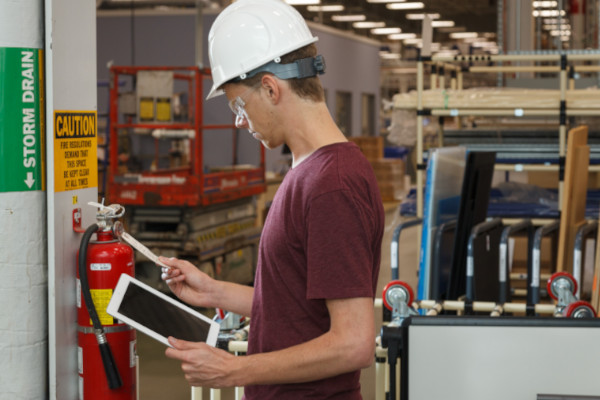
Managers should make it a priority to walk the floor regularly and listen to employees when they have safety ideas or concerns. Being vigilant and responsive is the best way to prevent incidents. Brady offers the products and expertise you need to create a robust, compliant safety program. Contact us to learn more.
Get a Quote