Investing in accident prevention: A smart way to save money
Accident prevention is crucial for ensuring safety and significantly reduces financial costs for both workplaces and homes. Investing in accident prevention measures protects individuals from potential injuries and saves money in the long run.
In 2022, the total cost associated with work-related injuries reached an astonishing $167.0 billion(opens in a new tab), encompassing wage and productivity losses of $50.7 billion, medical expenses of $37.6 billion and administrative costs of $54.4 billion. These staggering figures highlight the urgent need for effective measures to mitigate accidents and their consequences.
This article will explore how investing in accident prevention can lead to substantial savings. Further, understanding the benefits of accident prevention motivates individuals to take necessary precautions and encourages organizations to prioritize safety in their operations.
Understanding the true cost of accidents
Accidents lead to various costs that can significantly impact individuals and businesses. These costs can be categorized into direct financial impacts, such as medical expenses and wage losses, as well as indirect impacts, like decreased productivity and legal fees.
Let's look further at these impacts to better understand the actual cost of these incidents.
Direct costs: Immediate financial burdens
Direct costs from accidents can quickly accumulate, primarily through medical bills and property damage. For instance, in a workplace mishap, an employee may fall, resulting in injuries that require emergency medical treatment. This injury leads to expenses such as hospital bills, physical therapy and rehabilitation costs.
Similarly, in households, an injury from a slip on a wet floor can result in emergency room visits and potential home repairs to prevent future accidents, adding to the financial burden. Repair or replacement costs can further strain a company's finances if machinery is damaged during the incident. The direct costs of accidents can be significant, making them a major concern for individuals and businesses alike.
Indirect costs: Long-term financial strain
Lost productivity due to injuries can be one of the most significant hidden costs of accidents. It leads to decreased output as employees take time off for recovery or cannot perform at their full capacity. Businesses may incur legal fees if accidents result in lawsuits, which can strain financial resources even more.
Increased insurance premiums following an accident can also further elevate operational costs. These hidden costs can severely impact an organization's overall finances, exacerbating the financial strain caused by direct accident-related expenses.
Considering these factors, it becomes clear that investing in accident prevention can lead to significant long-term savings.
The financial advantages of proactive safety investments
Investing in safety measures such as employee training, improved equipment and regular maintenance significantly reduces accident risks by creating a safer work environment and fostering a culture of awareness. Besides preventing accidents, these investments can also lead to substantial financial benefits.
Lowering expenses through prevention
Investing in safety measures, such as comprehensive employee training and ergonomic equipment, can significantly reduce medical and legal costs. For instance, for every dollar spent on safety, organizations can expect to save approximately $4 to $6 in expenses(opens in a new tab). Additionally, companies implementing effective safety programs often see a reduction in workplace injuries(opens in a new tab).
These proactive investments create a safer environment and protect the bottom line from the financial burdens of accidents. It also demonstrates a commitment to employee well-being, which can boost morale and productivity.

Implementing effective safety strategies
Creating a safe environment is essential for protecting individuals from hazards and promoting overall well-being. Effective safety measures can significantly reduce risks and foster a culture of proactive safety awareness in workplaces and homes.
Here are a few methods you can enforce to further enhance safety in your environment.
Conducting safety audits
Regular walk-throughs are essential for spotting potential workplace and home hazards. Engage employees, family members or friends in discussions about safety matters to gather diverse risk perspectives. Monitor commonly overlooked areas such as staircases, storage and equipment settings.
Utilizing checklists can also ensure that no corner is neglected during assessments. Moreover, a thorough understanding of safety regulations and guidelines can help identify areas for improvement in compliance, reducing the likelihood of accidents.
Provide visual aids
To enhance safety, consider implementing visual aids such as clear signage for hazardous areas, floor markings to guide safe movement and infographics that summarize emergency procedures. In both workplaces and homes, engage everyone in regular safety drills to promote awareness of potential hazards.
Also, consider collaborating with experts to develop a comprehensive strategy tailored to your needs. This partnership can also include conducting regular safety audits and addressing identified risks. With regular safety audits, organizations can proactively mitigate potential risks and prevent accidents from occurring.
Investing in safety training and equipment
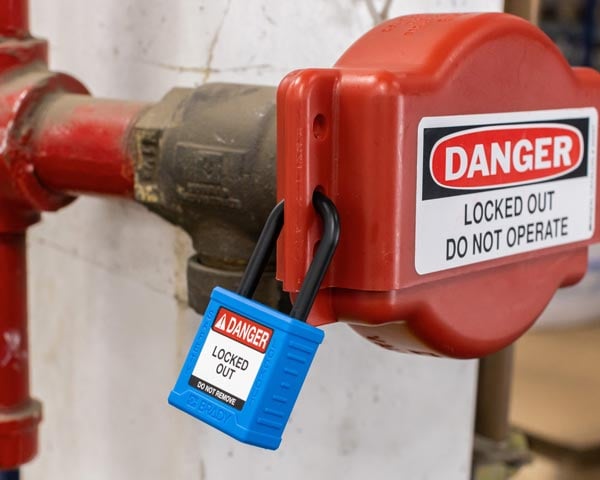
Investing in essential safety equipment is crucial for accident prevention. Lockout tagout equipment — including safety padlocks and electrical lockouts — ensures that machinery is properly shut down and cannot be restarted during maintenance or servicing, significantly reducing the risk of accidental injuries.
These tools act as a critical line of defense, protecting workers from unforeseen hazards. However, the effectiveness of such equipment hinges on adequate training and education. Employees must be well-informed about using these safety measures correctly and understand the importance of adhering to safety protocols. Consequently, ongoing training empowers workers and fosters a safety culture within the organization.
Prioritizing accident prevention is a financially prudent strategy that can yield significant savings in medical costs, legal fees and lost productivity. Organizations and households can dramatically reduce the chance of accidents by offering safety education, training and effective measures, leading to a healthier environment and substantial financial benefits in the long run.