The New Dawn of 2D Barcodes: Are You Ready for GS1 Sunrise 2027?
For decades, the linear 1D barcode has been the silent, hardworking hero of retail supply chains. It's a symbol we all know and scan billions of times a day at checkout. But its time is drawing to a close. A new global, industry-led initiative called GS1 Sunrise 2027 is setting the stage as its successor.
What is GS1 Sunrise 2027?
It's a global initiative aimed at manufacturers to transition from printing 1D barcodes to 2D barcodes on all products by the end of 2027. By this time, retailers worldwide are expected to have the capability to scan and process 2D barcodes, like QR codes, at the point-of-sale (POS). This transition requires action from both sides of the aisle:
- Manufacturers will begin marking their product packaging with these new, dynamic 2D codes.
- Retailers will upgrade their POS systems — both the physical hardware and the back-end software — to accept and understand the vast new information these codes provide.
At the heart of this shift is the GS1 Digital Link, a standard that allows a 2D barcode to act as a single point of access for various types of information, serving everyone from retailers to end consumers.
Reasons for the Update
Why 1D is Over
The 1D barcode has served us well, but it's somewhat of a one-trick pony. Developed in the 1970s, its simple structure can typically only hold a product's Global Trade Item Number (GTIN), which is just enough data to look up a price.
The 2D Advantage
2D barcodes, by contrast, are a quantum leap in data capacity. They can store a lot more information in a smaller space, allowing manufacturers and retailers to embed data, such as:
- Batch and lot numbers
- Expiration dates
- Serial numbers
This alone is a game-changer for inventory and recall management. But the real power comes from connecting a physical product to the digital world.
Meeting Modern Consumer Demands
Today’s consumers demand transparency. They want to know what's in their food, where their products came from and how to use them safely. A 2D code with GS1 Digital Link can provide all that with a single smartphone scan.
- Health and safety info: Instantly pull up nutritional information, detailed ingredient lists, allergy warnings and recall notices.
- Instructions and savings: Access how-to guides, recipes, FAQs for medications or available coupons.
- Traceability: See a product's journey from its source, its sustainability profile and other ethical sourcing information.
Potential Complications on the Road to 2027
A transition this massive is not without its challenges.
- Voluntary adoption: Because these standards are voluntary, adoption may be slow or inconsistent, especially for smaller businesses or international markets.
- Equipment upgrades: This is the biggest hurdle. The entire retail ecosystem must be upgraded. Traditional 1D laser scanners cannot read 2D codes that require modern imaging scanners. This is a significant investment in both hardware (scanners, printers) and software (POS, inventory management) to read the new codes and process the data.
- Education: Employees need to be trained on new scanning procedures and how to assist customers. And customers need to be educated on what the new QR codes are for and the value they provide.
- The transition period: Until 2D scanning is universal, brands may need to use dual marking, which places both the old 1D barcode and the new 2D code on the package. This can clutter product design and lead to confusion.
How to Prepare for the New Dawn
The 2027 deadline is not a flip-the-switch date, it's the final goal. The time to prepare is now.
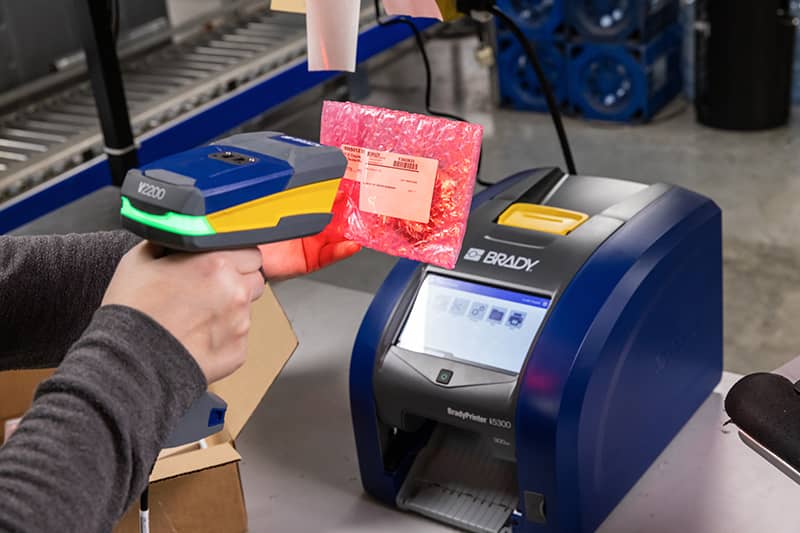
- Upgrade your technology: The first step is acknowledging the need for new hardware. Brady’s fixed and handheld barcode scanners are designed to read 2D barcodes, like QR and data matrix, quickly and efficiently.
- Create compliant codes: To join the new ecosystem, manufacturers need a reliable way to create these data-rich barcodes. Brady’s free barcode generator is a useful tool that quickly creates GS1-compliant 2D barcodes.
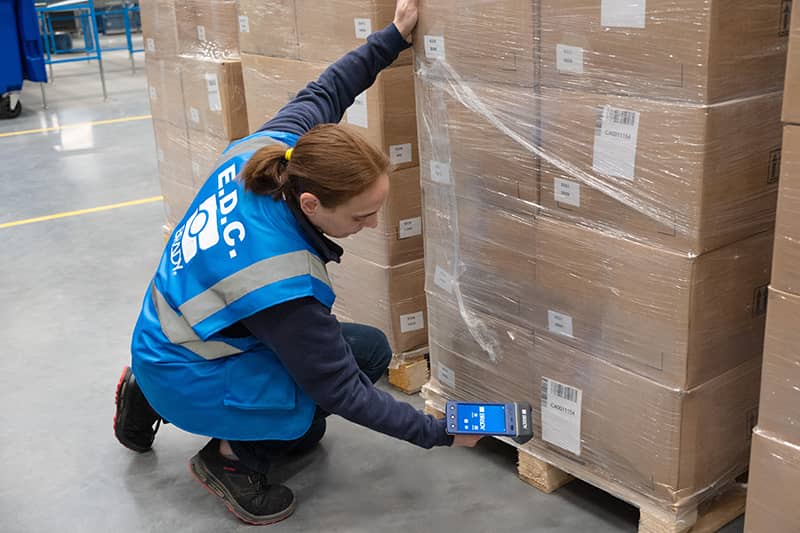
- Start testing: Get ahead of things and start preparing now. Use tools like BradyScan Mobile to scan and test out 2D barcodes in your own workflow. This will help you to identify and solve for any bottlenecks long before the 2027 deadline arrives.
The move from 1D to 2D barcodes promises a future where a single barcode serves the retailer at checkout, the supply chain with traceability and the consumer with a richer experience. GS1 Sunrise 2027 offers a more transparent and data-driven global marketplace, and the businesses that prepare today will be the ones who lead tomorrow.