
Food Manufacturing Traceability Requirements: FSMA 204
Article Summary
Section 204 of the FDA Food Safety Modernization Act (FSMA) updates food safety regulation, moving the industry toward a standardized, digital approach to traceability. This rule requires entities that manufacture, process, pack or hold specific foods to maintain detailed records to ensure the rapid identification and removal of contaminated products from the marketplace.
- FSMA 204 applies to manufacturers that handle items on the Food Traceability List
- Originally scheduled to activate in January 2026, enforcement has been pushed back to July 2028 to give manufacturers additional time to update their processes.
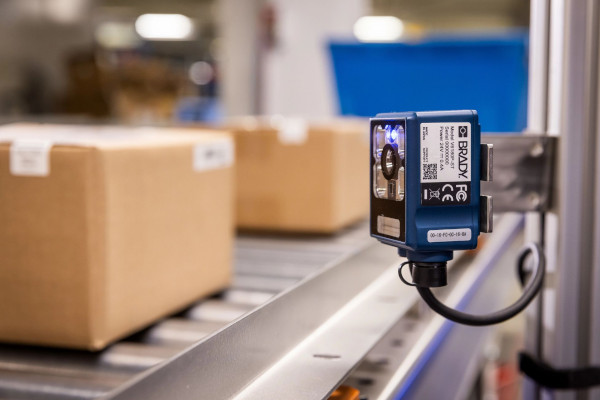
- Barcode, QR code and RFID technology help automate these tracking requirements.
Understanding the FSMA 204 Framework
The rule centers on two primary concepts: Critical Tracking Events (CTEs) and Key Data Elements (KDEs).
Critical Tracking Events (CTEs) are the pivotal points in the supply chain where data must be captured. They include:
- Harvesting
- Cooling (prior to initial packing)
- Initial packing
- First land-based receiving
- Shipping
- Receiving
- Transformation (processing or mixing ingredients for example)
Key Data Elements (KDEs) are the specific pieces of data that must be recorded during a CTE. Examples of KDEs include traceability lot codes, product descriptions, quantities and location identifiers.
Purpose and Impact
The primary objective of these requirements is to enable the FDA to receive necessary traceability information within 24 hours of a request. This speed is essential during foodborne illness outbreaks to issue precise recalls and warnings, protecting public health and minimizing the economic impact on the food industry.Who Is Affected?
FSMA 204 applies to any domestic or foreign business handling items on the Food Traceability List (FTL). The FTL identifies "high-risk" foods, including:
- Dairy: Most cheeses other than hard cheeses; shell eggs.
- Produce: Nut butters, fresh cucumbers, herbs, leafy greens, melons, peppers, sprouts, tomatoes, and tropical tree fruits.
- Processed Items: Fresh-cut fruits and vegetables; ready-to-eat deli salads.
- Seafood: Finfish (including histamine-producing and ciguatoxin-risk species), smoked finfish, crustaceans, and mollusks.
Compliance Timeline
While the original compliance date was set for early 2026, the FDA has extended the deadline. The current enforcement date for the Food Traceability Rule is July 20, 2028.Leveraging Technology for Compliance
Traditional manual recordkeeping is often insufficient for the volume of data required by FSMA 204. Automated systems help mitigate the risk of human error and ensure data is retrievable in the required electronic format.RFID (Radio Frequency Identification)
RFID technology allows for high-volume data capture without a direct line of sight. It is particularly effective for:
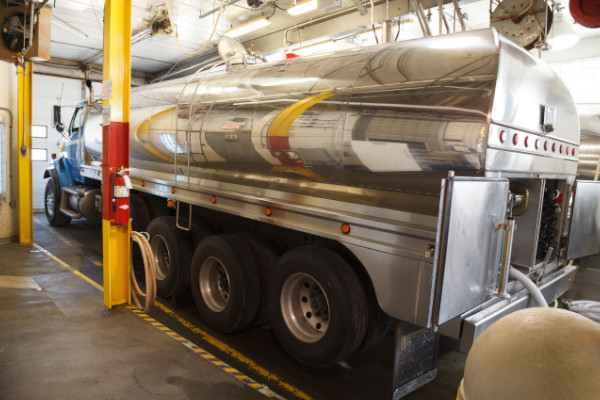
- Automated Tracking: Identifying pallets and shipments as they move through various locations like farms, freezers, and trucks.
- Efficiency at Scale: Scanning entire pallets simultaneously during shipping or receiving to tie items directly to Advanced Ship Notices (ASNs).
Using RFID technology to eliminate the need for manual scanning can help save time and reduce labor costs while remaining compliant with the regulations. When dealing with large shipments from multiple suppliers, full automation can prevent manual errors and missed scans.
Barcodes and QR Codes
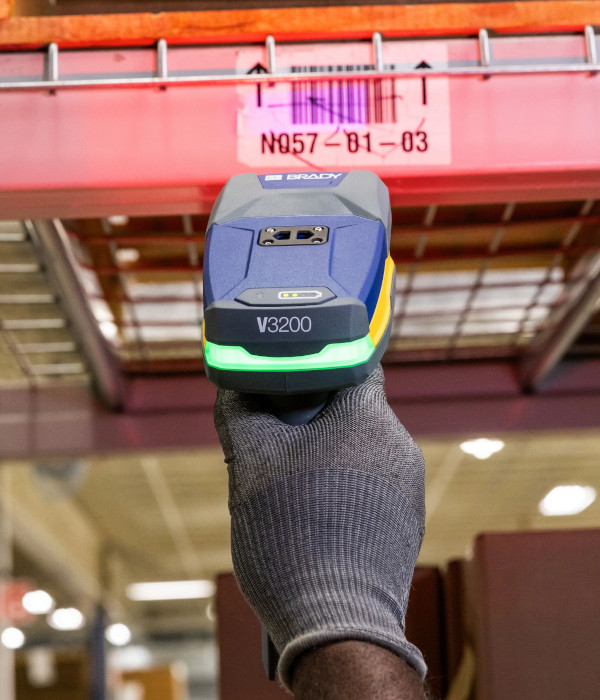
Barcodes remain a cost-effective standard for individual product tracking, especially through the Transformation stage where RFID may be less practical.
- Digital Product Passports: Barcodes help establish a digital history for a product after initial packaging.
- Seamless Integration: They integrate easily with existing shipping and warehouse management systems (WMS) already in use by most manufacturers.
In a transformation stage, pallets of products that have been tracked with RFID may be broken down and divided into several packing lines. With multiple shipments being comingled and distributed more broadly, it becomes easier to use barcodes and barcode scanners to track the shipping and receiving KDEs.
Modernizing Recordkeeping
With a two-year retention period and potentially millions of units to track, manual data entry is an operational liability. Modernizing through scanners and RFID readers ensures that the data is not only accurate but also sortable and ready for FDA inspection, reducing the risk of noncompliance in the event of a recall.How Brady Can Help
Brady provides products and solutions to help you meet these new standards and modernize your product tracing process. Make sure you're prepared and compliant when enforcement begins in 2028.
- RFID readers and Barcode Scanners designed for industrial food environments.
- High-durability labels that can withstand cold storage, processing conditions and washdown procedures.
- Guidance on integrating traceability technology into existing manufacturing and shipping workflows.